

From April 27th to April 29th, the POSSIBLE conference in Miami brought together some of the most influential voices across marketing, media, technology, and culture. What emerged over three days wasn’t just a collection of trends—it was a clear signal that the industry is in the middle of a profound transformation, shaped by AI, creators, and a redefinition of how brands connect with people.
One of the most consistent themes throughout the conference was the growing power of creators. Sessions featuring voices like Dhar Mann and Katie Feeney illustrated how creators are no longer just distribution channels—they are strategic partners. Campaigns like the NFL’s Super Bowl initiative showed that creator-led content can organically drive meaningful cultural conversation in ways brands simply can’t replicate on their own. This idea carried into broader discussions around entertainment, where creators emphasized that recognition from traditional institutions matters less than the direct connection they maintain with their audiences.
That shift toward authenticity showed up again in conversations around sports and culture. Matthew Tkachuk’s keynote highlighted how defining moments—whether in the Olympics or the Stanley Cup—can extend far beyond the field when paired with storytelling and fan engagement. Athletes are increasingly thinking like brands, leaning into behind-the-scenes content and personal narratives to build lasting relationships with fans. Similarly, discussions around women’s sports revealed a growing movement to build systems with athletes rather than around them, giving them ownership and influence in shaping the future of their industries.
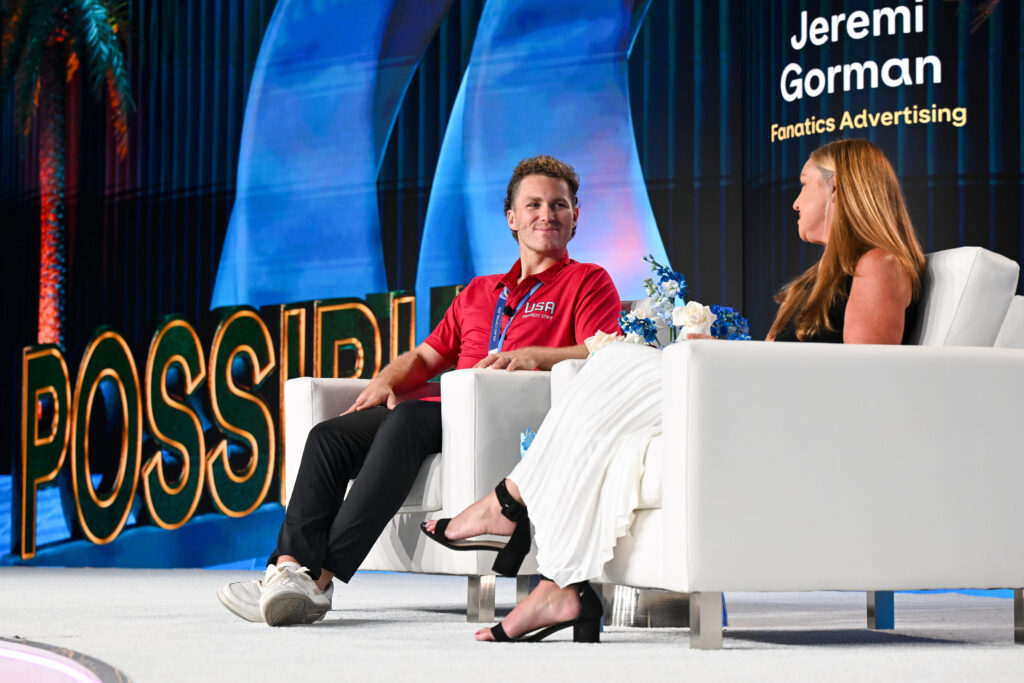
At the same time, marketers were challenged to rethink long-held assumptions about their audiences. Conversations around Gen Z masculinity exposed a more complex and fragmented identity landscape, where cultural influence is often rooted in emotional connection rather than surface-level trends. The takeaway was clear: understanding modern audiences requires deeper listening—and a willingness to engage across perspectives that may not naturally intersect.
Technology, particularly AI, was another dominant force across nearly every session. Yet, despite the excitement, many speakers emphasized balance. Leaders like Coca-Cola’s Manuel Arroyo reinforced that while AI is a powerful tool, it still requires human creativity and judgment to produce meaningful work. Others expanded on this idea, showing how AI is reshaping everything from advertising personalization to storytelling itself. Campaigns are no longer static—they’re becoming dynamic systems, capable of evolving in real time and extending far beyond traditional formats.
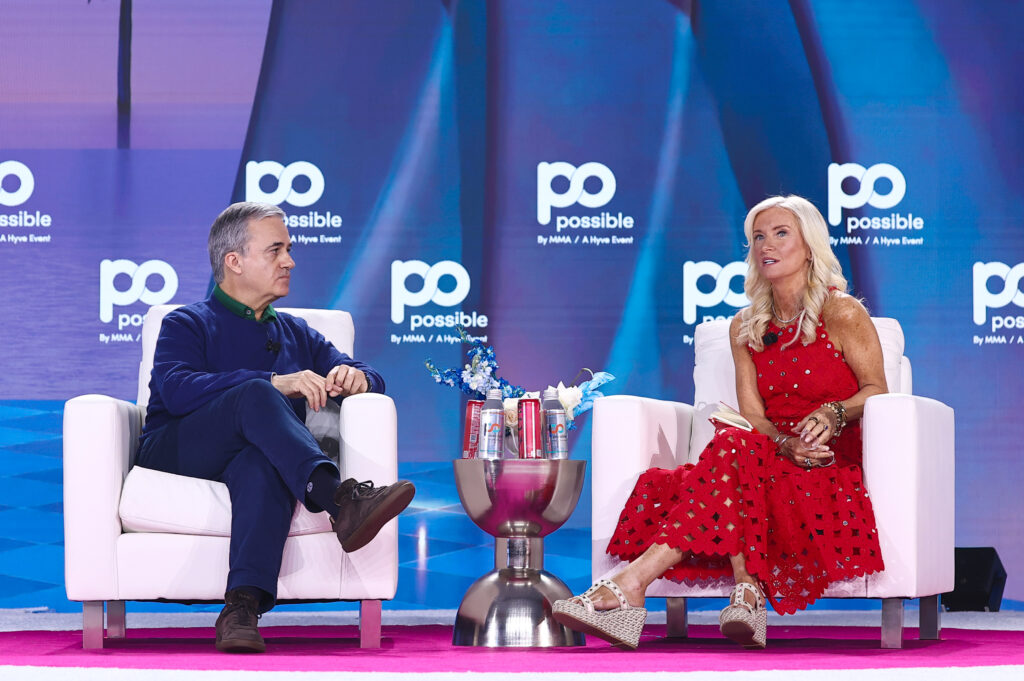
This evolution is also changing how brands operate internally. Discussions around agentic commerce and AI-driven search raised important questions about consolidation, competition, and the future of smaller players in the market. At the same time, marketers were encouraged to rethink their organizational structures, adopt new tools firsthand, and embrace continuous learning to stay relevant in a rapidly shifting landscape.
Beyond AI, the conference highlighted a broader transformation in how marketing ecosystems function. Social media is no longer just a channel—it’s becoming the operating system for many brands. Panels featuring creators and brand leaders revealed how real-time audience feedback is now shaping everything from product development to campaign strategy. Similarly, the rise of micro-trends and niche communities is redefining what “mainstream” even means, with cultural influence increasingly driven by smaller, highly engaged audiences.
Commerce itself is evolving alongside these shifts. Livestream shopping, for example, is moving beyond one-off activations into more immersive, story-driven experiences. Brands like Crocs demonstrated how entertainment and commerce can merge seamlessly, creating moments that are both engaging and transactional. Meanwhile, companies like e.l.f. Beauty showcased the power of community as a co-creator—turning customer behavior into a blueprint for innovation and growth.
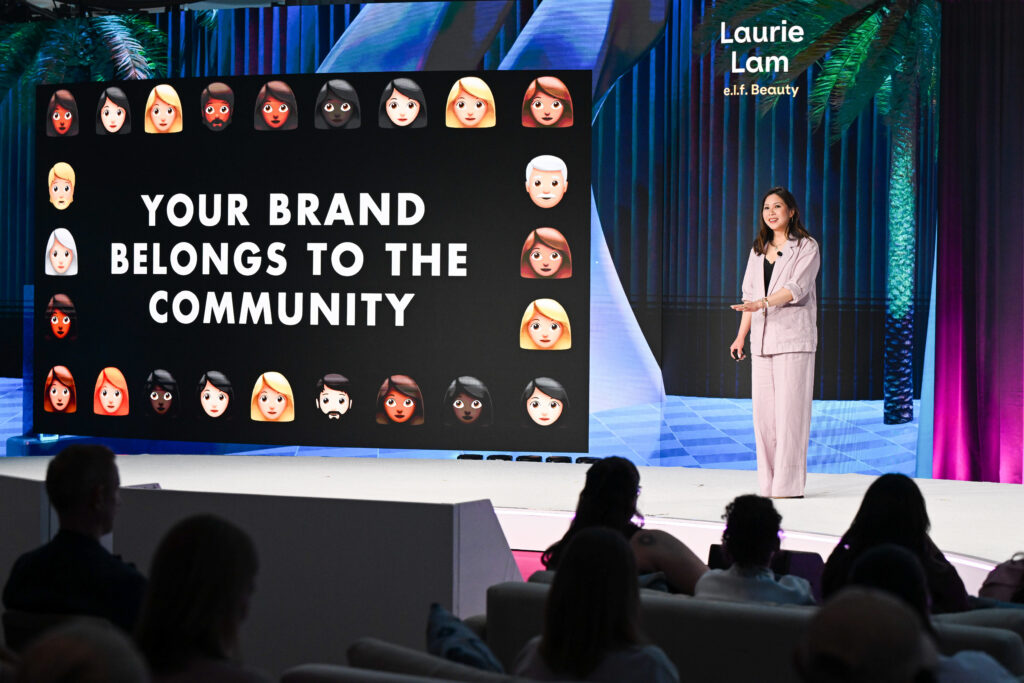
Another notable shift discussed was the rise of conversational marketing. With platforms introducing AI-powered messaging experiences, brands are entering spaces that were once reserved for personal communication. This requires a more thoughtful, human approach—one that prioritizes relevance and respect for the user experience.
Even traditionally underutilized channels like audio are being reimagined. Industry leaders pointed to the growing influence of podcasts and voice-based content, noting that increased demand and creator selectivity are turning audio into a premium, data-driven marketing channel.
Amid all the innovation, one message remained consistent: fundamentals still matter. Marketers were reminded that their core role hasn’t changed—they are still responsible for creating and capturing demand. What has changed is the speed, scale, and complexity of the tools available to do so.
The final day of POSSIBLE brought these ideas full circle, focusing on storytelling as the connective tissue across all these changes. Issa Rae and other speakers explored how brands are increasingly stepping into the role of entertainment creators, investing in new formats like micro-series and meeting audiences where they already consume content. The emphasis was on building for communities, not just campaigns.
This perspective was echoed in conversations about emerging platforms and technologies, where creators shared how AI is enabling faster, more experimental approaches to content creation. Rather than replacing creativity, these tools are expanding what’s possible—allowing ideas to move from concept to execution with unprecedented speed.
Beyond the exchange of ideas and insights, the conference also served as a platform for celebrating new business ventures. Outside the energy of the panel discussions, Gary Vaynerchuk, Chairman of VaynerX and CEO of VaynerMedia, announced in a press release the launch of his new company, The Tamara Group.
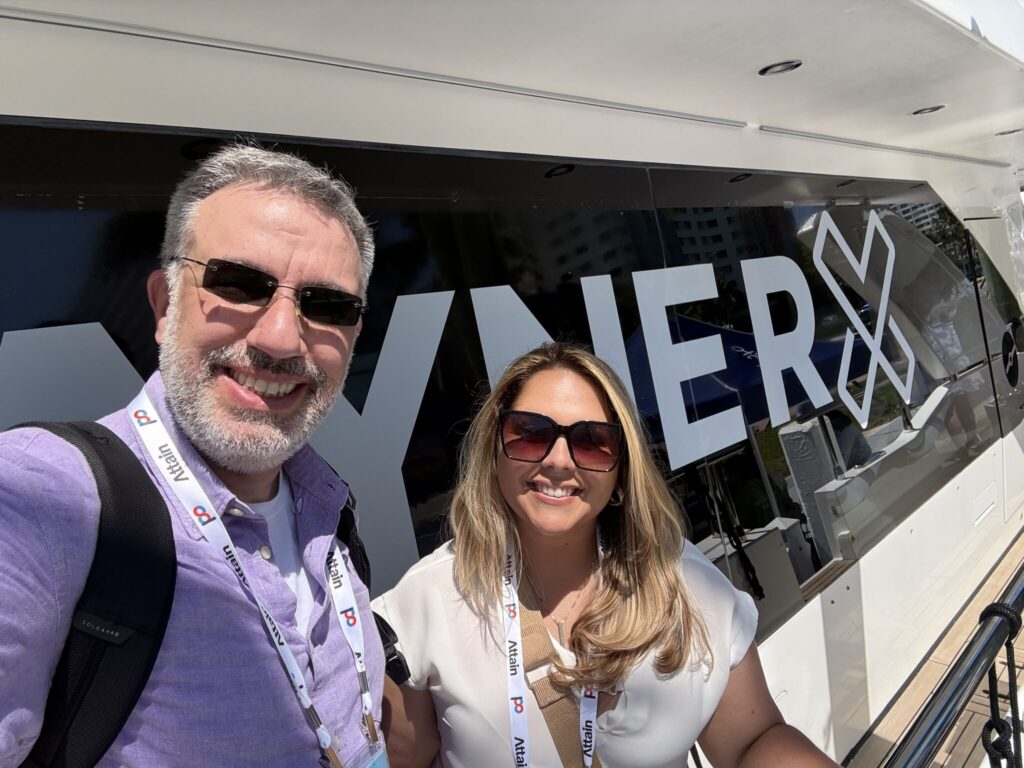
Beyond the stages and panels, POSSIBLE also highlighted the importance of the next generation. Initiatives like BIG Possibilities brought young aspiring marketers into the experience, giving them direct access to mentorship and a platform to tell their own stories. It was a reminder that while the industry is evolving rapidly, its future will be shaped by those just beginning to enter it.
In the end, POSSIBLE 2026 wasn’t about predicting the future—it was about recognizing that the future is already here. The lines between creator and brand, content and commerce, technology and creativity are blurring faster than ever.
And for those paying attention, the message was clear: success won’t come from choosing between these forces—it will come from learning how to bring them together.